
In 2024, Ethiopia took a leap forward by passing the Special Economic Zone Proclamation No. 1322/2024. This law redefines how businesses can operate in designated trade and industrial zones. For forward-thinking investors, this marks the beginning of a new chapter filled with opportunity, protection, and preferential treatment.
Whether you’re a logistics giant, a manufacturing startup, or an agro-processing innovator, this guide breaks down how you can benefit from Ethiopia’s SEZ framework, legally, financially, and practically.
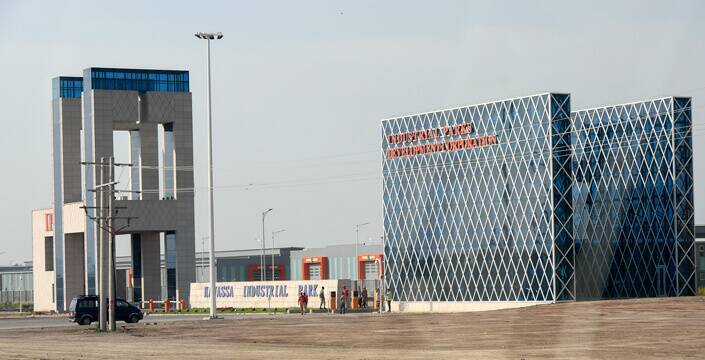
What Is the SEZ Proclamation No. 1322/2024?
Passed in May 2024, this Proclamation replaces the outdated Industrial Parks Proclamation (No. 886/2015) and introduces Special Economic Zones (SEZs) as designated areas offering tailored incentives to developers, operators, and enterprises.
- Types of Zones Recognized
- Free Trade Zones
- Agro-Industrial Zones
- Science and Technology Parks
- Logistics & Service Hubs
- Export-Oriented Manufacturing Clusters
These zones operate under simplified customs, tax, labor, and regulatory regimes — all meant to boost Ethiopia’s competitiveness.
Why Invest in an Ethiopian SEZ?
1. Tax Holidays & Incentives: According to Articles 57–58, SEZ enterprises enjoy:
- Income Tax Exemption: Up to 10 years
- Customs Duty Relief: On capital goods, raw materials, and construction inputs
- VAT & Withholding Tax Exemptions
- Dividend Tax Waivers
These generous exemptions rival other leading investment destinations in Africa and are tailored to boost profitability from day one.
2. Simplified Customs & Trade
SEZs function as special customs territories. This means:
A. On-site customs clearance
B. No import/export duties for approved goods
C. Fast-track border and port procedures
3. Legal Certainty & Investor Protections
The Proclamation guarantees:
- Repatriation of capital and profits
- Access to international arbitration
- Stability of incentives for up to 10 years
- Non-discrimination between foreign and domestic investors
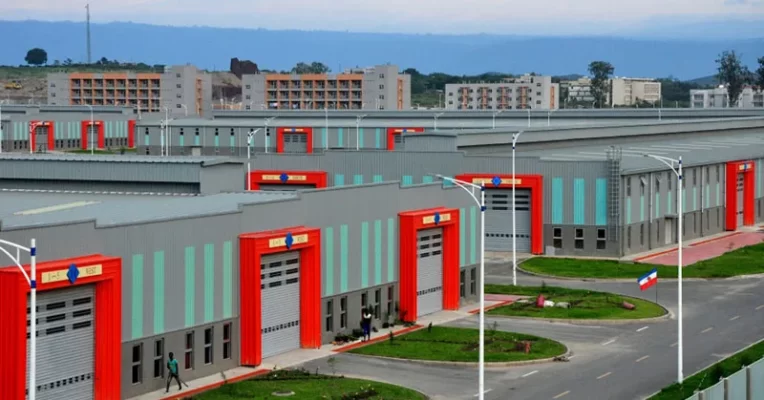
Who Can Operate in SEZs?
Under the Proclamation, you can be licensed as:
- SEZ Developer: Designs and builds infrastructure
- SEZ Operator: Manages zone utilities, compliance, and tenant services
- SEZ Enterprise: Any business producing goods or services within the zone
Please note that a single company can hold more than one license type, provided it meets the conditions set by the Ethiopian Investment Commission (EIC).
How to Get Started: Step-by-Step for Investors
- Step 1: Incorporate Your Business: Register your company as an LLC or share company under the Commercial Code Proclamation No. 1243/2021.
- Step 2: Apply for an Investment License: Submit your application to the Ethiopian Investment Commission (EIC) under Investment Proclamation No. 1180/2020 and Regulation No. 517/2022.
- Step 3: SEZ Licensing: Apply for SEZ designation — either as a developer, operator, or enterprise — and select your preferred zone.
- Step 4: Lease or Acquire Land: SEZ developers will provide lease terms and infrastructure support, backed by public-private partnership models or direct government allocation.
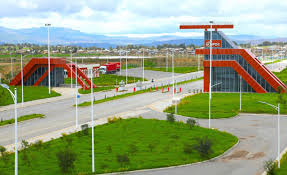
Eligible Sectors for SEZ Investment
The Ethiopian government prioritizes SEZ participation in:
- Agro-processing and food exports
- Automotive assembly
- Pharmaceuticals
- Textiles and apparel
- Renewable energy components
- Digital services and ICT infrastructure
- Logistics and maritime services
Compliance, Monitoring & Exit
Articles 71–75 of the Proclamation outline compliance measures:
- Annual audit reporting
- Labor and environmental standards
- Investment thresholds
- Penalties for inactivity or misuse of incentives
If conditions are breached, the EIC may suspend or revoke licenses — but only after due process.
For further assistance or clarification, foreign investors are encouraged to get in touch with our professionals specializing in Ethiopian finance law contact us.